





Bruno Fernandes January Departure Reason
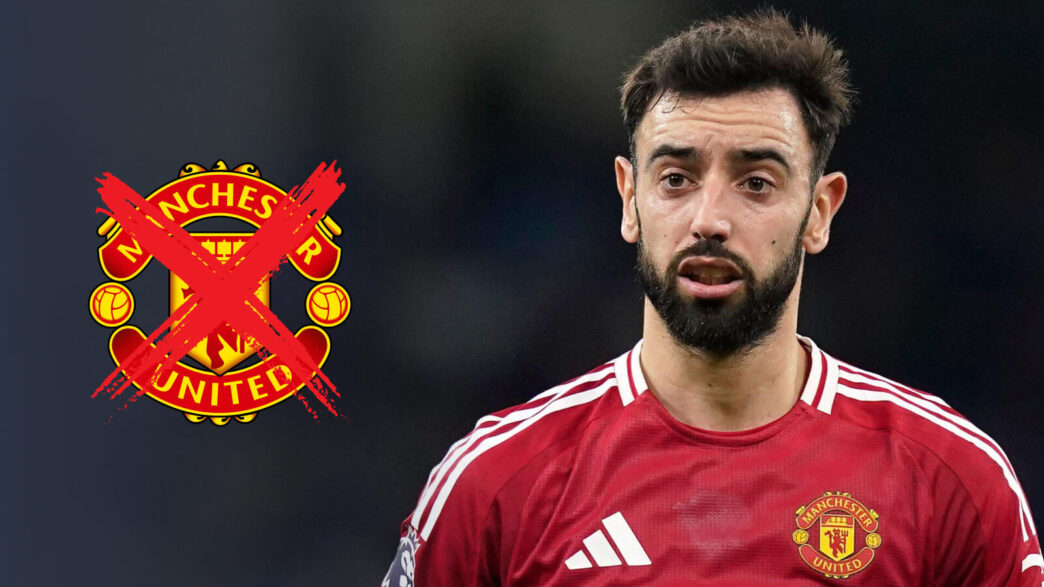
Speculation around Bruno Fernandes’ January departure reason has intensified following recent comments from the Manchester United captain. In a candid interview, Fernandes revealed that the club’s board “wanted him to leave last summer” — a statement that shocked fans and reignited discussions about his future at Old Trafford.
The main reason behind Bruno Fernandes’ possible January exit appears to stem from internal disagreements with the club’s hierarchy. Sources suggest that the midfielder has grown frustrated with the team’s inconsistent performances, lack of clear direction, and slow progress under the current management. Despite being one of United’s most productive players, he reportedly feels undervalued and unsupported in transfer decisions.
Fernandes, however, emphasized that his love for the club and respect for the fans still weigh heavily in his decision-making. Whether this loyalty will keep him beyond January remains uncertain.
As the winter transfer window approaches, top European clubs — including Barcelona and Bayern Munich — are said to be monitoring the situation closely. One thing is clear: the Bruno Fernandes January departure reason reflects deeper issues at Manchester United that go beyond just one player.
Introduction: Trouble at Old Trafford
Manchester United’s 2025 season has been turbulent — a mixture of inconsistency, injuries, and internal tension. At the center of it all stands Bruno Fernandes, the team’s captain, leader, and creative heartbeat. But recent statements by the Portuguese midfielder have sparked shockwaves across the football world.
Fernandes admitted that Manchester United wanted him to leave last summer, saying that club directors “didn’t have the courage to make that decision.” These words immediately reignited questions about his commitment and raised speculation about a possible January departure.
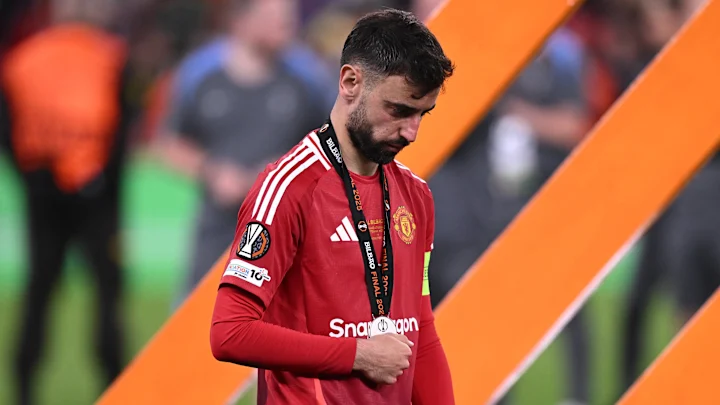
So what is the real Bruno Fernandes January departure reason? Is it about tactics, leadership pressure, internal politics, or something deeper within the walls of Old Trafford? Let’s break it down.
Bruno Fernandes: The Reluctant Captain of a Rebuilding Era
When Bruno Fernandes joined Manchester United in January 2020 from Sporting CP, he instantly transformed the team. His leadership, creativity, and energy revitalized a struggling side. Within weeks, United looked dangerous again, and Fernandes’ impact was undeniable:
- 12 goals and 8 assists in his first half-season.
- Voted Player of the Month multiple times.
- Became the symbol of Manchester United’s post-Sir Alex Ferguson rebuild.
Over the years, Fernandes became captain — a role he carried with pride but also immense pressure. While his statistics remain elite (over 70 goals and 60 assists for United), the club’s direction has often left him frustrated.
By late 2024, tensions began to rise — both in the dressing room and in the boardroom.
The Statement That Shook Manchester United
In a recent interview with Canal 11, Fernandes said:
“Manchester United wanted me to leave last summer. I think they didn’t have the courage to make that decision. I decided to stay because of family reasons and because I genuinely love the club.”
Those words — particularly “they didn’t have the courage” — were strong. For fans, they revealed a deeper disconnect between player and management. Behind the scenes, sources report growing dissatisfaction with the direction of the club, especially concerning transfers and on-field strategy.
Fernandes’ statement might have been honest, but it also exposed Manchester United’s internal instability. And that’s where the Bruno Fernandes January departure reason begins to take shape.
Tactical Frustrations: Playing Without Structure
One of Fernandes’ biggest frustrations reportedly lies in tactics and team structure.
Under Erik ten Hag, United’s system has shifted multiple times — from pressing football to cautious buildup — but without a consistent identity. Fernandes, known for his high-risk creative passing and freedom in midfield, often finds himself isolated or overburdened.
In many games, he drops deep to start attacks while also trying to finish them — a near-impossible dual role.
This lack of tactical clarity has led to tension between him and the coaching staff.
Analysts note that Fernandes thrives in organized, pressing teams with fast transitions — something United has failed to maintain this season. That tactical mismatch is one of the key reasons behind Bruno Fernandes’ potential January departure.
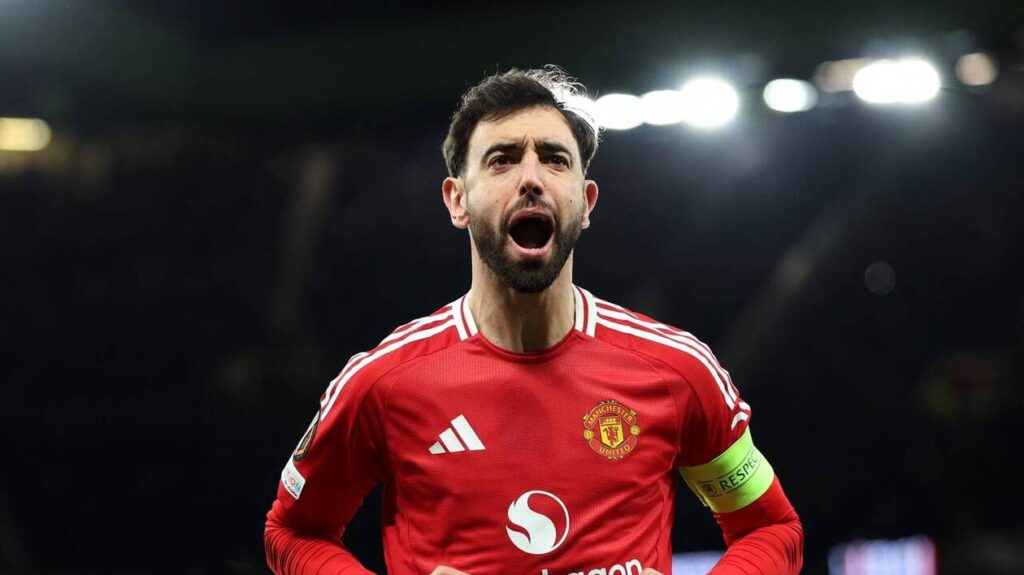
Leadership Fatigue: Carrying a Club in Chaos
Being captain of Manchester United is a heavy crown to wear — and Fernandes has worn it with visible fatigue.
Since being handed the armband in 2023, he has led through difficult stretches:
- Public criticism after losses.
- Media scrutiny over attitude and body language.
- Constant pressure to motivate an inconsistent squad.
Inside reports suggest that Fernandes has grown tired of being the “only leader” in a dressing room lacking consistent performances and accountability. With veterans like Casemiro and Varane aging and injuries piling up, Fernandes often feels isolated as the sole emotional and tactical driver.
This mental exhaustion is another layer in the Bruno Fernandes January departure reason. He remains professional, but the weight of constant responsibility is taking its toll.
Boardroom Politics: Communication Breakdown
Beyond tactics and fatigue, boardroom politics play a massive role in this story.
Since the INEOS group acquired a stake in Manchester United, several leadership roles have changed. Sporting Director, CEO, and recruitment staff have all shifted positions. Fernandes, like many players, reportedly feels uncertain about the club’s long-term vision.
He was promised a “project built to win” when he signed his last contract extension — yet many of the transfer targets he pushed for were never delivered. Instead, short-term fixes and inconsistent signings have become the norm.
Sources close to the player say that Fernandes feels “let down” by unfulfilled promises and the lack of ambition from above.
This communication breakdown is a major Bruno Fernandes January departure reason — he no longer trusts that the club’s leadership can match his winning mentality.
Dressing Room Divisions and Frustrations
The Manchester United dressing room in late 2024 has reportedly been divided. Multiple reports indicate small cliques have formed — particularly between senior players and younger ones.
Fernandes, as captain, is caught in the middle. He’s respected but also seen as demanding, sometimes overly critical. After tough defeats, cameras often catch him gesturing or shouting — behavior that divides opinion among fans but is typical of his competitive nature.
Some younger players reportedly struggle to handle his intensity, while others admire it. Fernandes has publicly said he “expects high standards” because “that’s what Manchester United deserves.”
However, internal tension — even if small — is still a contributing reason for Bruno Fernandes’ potential January exit.
The Stats That Prove His Value
Despite the drama, Bruno Fernandes remains Manchester United’s most productive player since his arrival. Let’s look at the numbers:
| Season | Matches | Goals | Assists | Chances Created | Man of the Match Awards |
|---|---|---|---|---|---|
| 2019–20 | 22 | 12 | 8 | 38 | 6 |
| 2020–21 | 58 | 28 | 18 | 95 | 12 |
| 2021–22 | 46 | 10 | 14 | 81 | 8 |
| 2022–23 | 54 | 14 | 15 | 92 | 11 |
| 2023–24 | 51 | 17 | 10 | 87 | 10 |
Across five seasons, Fernandes has contributed to over 180 goals in all competitions — numbers that place him among Europe’s elite midfielders.
Yet, even these performances haven’t shielded him from criticism or frustration. When your leadership isn’t matched by the club’s vision, excellence starts to feel empty.
Bruno Fernandes’ Relationship with Erik ten Hag
The relationship between Fernandes and manager Erik ten Hag is professional but reportedly strained.
Ten Hag has repeatedly praised Fernandes’ effort and leadership, calling him “a player who never hides.” But tactical disagreements have emerged, particularly regarding positioning and defensive responsibilities.
In several matches this season, Fernandes was deployed in deeper roles or even on the wing — a decision he’s privately questioned. He believes his best work comes from the central “number 10” role, where he can dictate tempo and creativity.
Ten Hag, however, prioritizes system over individual freedom — a clash that adds more weight to the Bruno Fernandes January departure reason.
If Ten Hag remains firm in his tactical vision and Fernandes feels restricted, the January window could become decisive for both.
Family and Personal Factors
Beyond football, family reasons also play a role in Fernandes’ uncertainty.
In his interview, he said he stayed last summer “because of family reasons.”
It’s believed that his wife and children are settled in Manchester, and moving mid-season was not ideal.
However, sources close to him say that if the situation doesn’t improve, the family would support a move elsewhere — preferably to a European destination closer to Portugal.
This personal angle softens the tone of his potential departure: it’s not betrayal, but a choice for balance and happiness.
Possible Destinations: Where Could Bruno Fernandes Go?
If Fernandes leaves in January, several top clubs would line up immediately. Let’s look at realistic options:
1. Bayern Munich 🇩🇪
The German champions admire Fernandes’ leadership and technical creativity. With Thomas Müller aging and Musiala often deployed deeper, Fernandes could be the ideal playmaker to bridge experience and energy.
2. Barcelona 🇪🇸
Xavi is reportedly a huge admirer of Bruno’s intelligence and work ethic. Financially, Barça would need to structure a loan-to-buy deal, but stylistically, Fernandes fits their attacking DNA perfectly.
3. Paris Saint-Germain 🇫🇷
Should Mbappé leave in 2025, PSG will look for new stars. Bruno’s charisma, vision, and leadership could bring balance to a midfield that often lacks direction.
4. Saudi Arabia 🇸🇦
A move to the Saudi Pro League cannot be ruled out. Several Portuguese stars, including Ronaldo, have opened the door for such moves. The financial offer would be enormous, though Fernandes is still in his prime and likely to prioritize Europe.
Manchester United’s Position
Manchester United’s stance is complicated. Officially, the club insists that Fernandes “remains central to the project.” However, insiders say that if a significant offer arrives — above £70 million — United might consider selling to fund multiple reinforcements.
With financial fair play limits tightening, moving Fernandes could unlock funds for the rebuild. Yet, losing their captain mid-season would send a damaging message about the club’s direction and ambition.
It’s a delicate balance: keep the leader unhappy, or rebuild without him.
Fans Divided: Loyalty vs Legacy
Among Manchester United supporters, reactions are mixed.
- Some fans sympathize with Fernandes, recognizing his dedication and frustration with the lack of progress.
- Others believe he’s too emotional and inconsistent to lead a new generation.
Yet, even critics admit one thing: without Bruno Fernandes, United would have struggled to stay competitive in recent seasons.
If he leaves in January, it won’t just be the loss of a captain — it will be the end of an era that began with hope and ended with questions.
The Symbolism of His Departure
The Bruno Fernandes January departure reason goes beyond football. It represents a wider issue at Manchester United: a lack of direction, communication, and alignment between players and management.
From De Gea’s abrupt exit to Sancho’s exile and now Fernandes’ frustration, a pattern emerges — a club still struggling to find stability in the post-Ferguson era.
Fernandes’ situation is symbolic of United’s broader identity crisis: still a giant, but one that keeps tripping over its own shadow.
Conclusion: The End of an Era or a New Beginning?
Bruno Fernandes’ story at Manchester United has been one of passion, leadership, and loyalty. But even the most loyal soldiers can grow tired when the battlefield offers no progress.
The Bruno Fernandes January departure reason blends professional and personal factors — tactical confusion, emotional fatigue, leadership burden, and boardroom mistrust.
Whether he stays or leaves, one thing is clear: Fernandes has given everything to the club. If his journey ends in January, it will mark both a painful goodbye and a powerful reminder that even captains need a vision to follow.
For Manchester United, the challenge is not just replacing his goals or assists — but replacing his spirit.
Until then, the football world watches and waits, wondering if January 2025 will be the month Manchester United loses more than a player — it might lose its heartbeat.
Follow Us :